Blog

+86 187 1949 7792 / +86 153 6091 1768
Nov. 23, 2026
For commercial buyers, choosing between steel and aluminum furniture frames affects more than the purchase price. Weight, stability, traffic, cleaning routines, shipping, and the project environment all shape long-term value. A Metal Furniture Manufacturer can help assess those requirements alongside frame design and finish. Notable approaches the comparison as a practical purchasing decision, not a material choice in isolation.
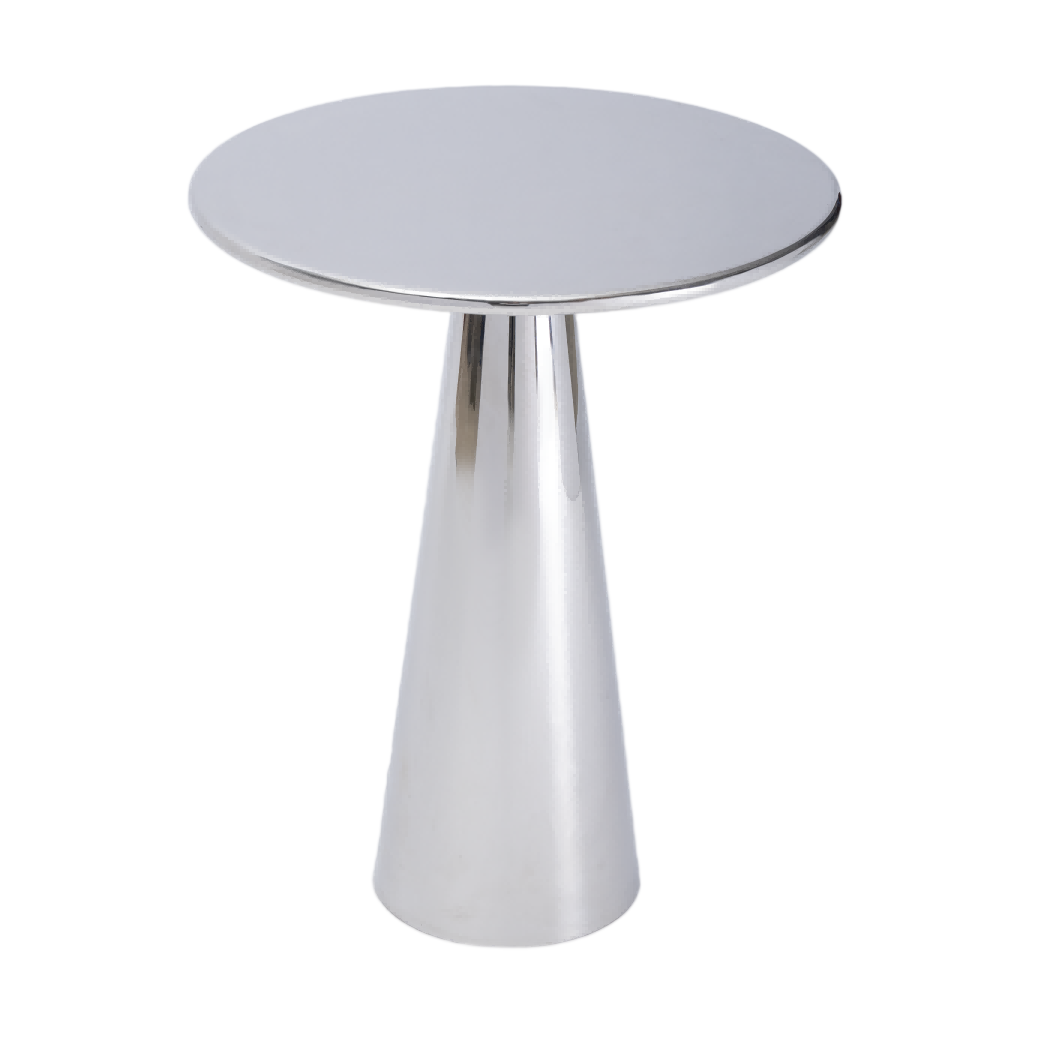
Steel and aluminum can both work well in commercial furniture, but neither is automatically the better choice. Buyers should first define where the furniture will be used, how often it will move, what loads it must support, and how much maintenance the site can handle. A busy dining area, a frequently reconfigured training room, and a damp outdoor setting create different priorities.
Document expected user loads, movement frequency, floor type, cleaning chemicals, exposure to moisture, and the intended service life. Then ask each supplier to quote furniture built to the same dimensions, finish, and performance requirements. This makes the comparison more useful than comparing material names or unit prices alone.
The figures below are typical material-level reference values, not guarantees for a finished chair, table, or cabinet. Frame geometry, tube dimensions, wall thickness, alloy or steel grade, welds, fasteners, and reinforcement all affect real performance.
| Parameter | Steel frames | Aluminum frames | What the buyer should verify |
|---|---|---|---|
| Typical density | About 7.85 g/cm3 for common carbon steel | About 2.70 g/cm3 for aluminum | Ask for the complete product weight, including panels, hardware, and fittings. |
| Relative stiffness of the raw material | Elastic modulus is about 200 GPa | Elastic modulus is about 69 GPa | Lower material stiffness does not automatically mean an unstable product; shape and section size matter. |
| Strength | Varies by grade, thickness, and fabrication | Varies by alloy, temper, thickness, and fabrication | Request rated load and test information for the finished product. |
| Corrosion behavior | Unprotected steel can rust when its coating is damaged or moisture reaches the surface. | Aluminum forms a protective oxide layer but can still be affected by chemicals, dissimilar metals, or surface damage. | Check coating or anodizing specifications, edge coverage, and care guidance. |
| Common finish options | Powder coating, plating, or other specified protective finishes | Powder coating, anodizing, or other specified finishes | Confirm finish color, coverage, abrasion resistance, repair options, and cleaning compatibility. |
| Movement and handling | Often heavier in comparable designs, though construction determines actual weight. | Often selected when reducing frame weight is important. | Test a complete sample in the intended room and over the actual floor surface. |
| Maintenance | Inspect for coating chips, exposed metal, loose joints, and corrosion. | Inspect for finish wear, loose joints, surface damage, and galvanic contact at connections. | Use the supplier's approved cleaning and inspection procedures. |
A thicker or better-shaped aluminum section can outperform a poorly designed steel frame, while a properly engineered steel frame can provide a rigid, durable structure. Ask suppliers for the same evidence: load rating, stability or tip testing where relevant, cycle testing for moving parts, and warranty terms. Confirm whether test results apply to the quoted configuration and not just to a similar product.
In actual use, staff and occupants notice whether a table rocks, a chair flexes, or a joint loosens long before they notice a material specification. Stability depends on the footprint, frame geometry, cross-bracing, joint design, fastener retention, glides, and floor conditions. A heavier frame may feel planted, but weight alone does not guarantee stability.
For a high-volume order, trial a representative sample in the space before committing to the full quantity. Ask staff to move, clean, stack, or reconfigure it as they would during a normal shift. Record any rocking, noise, scratching, difficult lifting, or loosening. This practical check can expose problems that a catalog photograph or material specification will not show.
Steel frames can be highly durable, but corrosion protection matters wherever moisture, cleaning chemicals, or chipped finishes expose the substrate. Aluminum naturally forms an oxide layer, yet it is not immune to staining, pitting, chemical attack, or damage at joints. In either case, a suitable finish and sound fabrication are essential for commercial service.
Neither material has a universal service-life advantage across every product and site. Compare the warranty, finish coverage, availability of spare parts, repair process, and supplier support. Also consider whether damaged frames can be repaired economically or whether a single failed component would require replacing the whole piece.
Steel may offer an attractive purchase price in some designs, while aluminum's lower weight may reduce handling effort or freight costs in others. Those outcomes depend on product construction, order size, location, and logistics. A fair commercial comparison includes the costs that continue after delivery.
Use the same expected usage period and maintenance assumptions for both options. If one quotation has a longer warranty or includes testing and spare parts, record that difference rather than treating the unit price as the whole decision. A transparent lifecycle estimate helps purchasing, facilities, and finance teams compare proposals on the same basis.
Aluminum is often chosen when frequent movement matters because its lower density can help reduce frame weight. The complete product may still feel heavy if it has a thick top, upholstered seat, storage components, or dense hardware. Steel may be suitable for stationary furniture where added mass is acceptable or useful. Ask end users to move sample pieces through the actual routes, including doorways, storage areas, and floor transitions.
Both frame types need routine inspection. Staff should follow the manufacturer's cleaning instructions and avoid unapproved chemicals that may damage coatings or joints. Establish a simple check for loose fasteners, damaged finishes, sharp edges, worn glides, corrosion, and unusual movement. Early attention to a small defect can help avoid a larger repair or safety issue.
Standard steel and aluminum frames have no battery life. If the commercial furniture has powered height adjustment, reclining, charging, or other electrical features, battery performance depends on the battery, motor, controls, load, usage pattern, and charging routine. Request battery cycle or runtime data for the exact powered configuration, along with charging instructions, replacement cost, and service support. Compare the frame separately for stability, durability, and ease of maintenance.
Steel is often a good candidate when rigidity, a substantial feel, and stationary use are priorities. Aluminum is often worth evaluating when lighter handling, frequent reconfiguration, or reduced frame weight matters. In both cases, the finished design and evidence of performance should decide the purchase.
Consider steel frames for high-use tables, fixed seating, and other applications where the furniture is not moved often and a rigid feel is important. Verify the rated load, finish protection, weld quality, and repair plan. Steel may also suit buyers who prioritize a familiar construction method and can manage the product's weight during delivery and installation.
Consider aluminum frames for multipurpose rooms, event settings, or layouts that staff regularly rearrange. Confirm that the complete furniture piece is manageable for the staff who will move it and that the frame remains stable under expected use. For outdoor or demanding cleaning environments, verify the exact material and surface-treatment specifications rather than relying on a general corrosion-resistance claim.
There is no universal winner in the steel vs aluminum furniture frames decision. The right choice is the one that meets the project's load, handling, environment, maintenance, and budget requirements with verifiable product data. As a Metal Furniture Manufacturer, Notable can help commercial buyers compare frame specifications and application needs before finalizing a project.