Blog

+86 187 1949 7792 / +86 153 6091 1768
Oct. 28, 2026
Choosing a dining set involves more than finding a table and chairs that look good together. Buyers need to balance room dimensions, seating capacity, comfort, durability, maintenance, and budget. As a Metal Dining Tables Manufacturer, Notable understands that clear product specifications and careful planning help buyers avoid mismatched furniture and costly ordering mistakes.

People researching this topic commonly want practical guidance on measuring a dining area, choosing a table shape and finish, finding chairs that fit, and checking product quality before purchase. The steps below address these needs for homeowners, hospitality buyers, restaurants, and furniture retailers.
Measure the length and width of the area where the table will sit. Include only usable floor space, and note fixed features such as walls, doors, kitchen islands, radiators, and cabinets. Sketch the room and mark the locations where people need to walk or pull out chairs.
Plan for the table, occupied chairs, and circulation space rather than measuring only the tabletop. As a starting point, leave about 36 inches between the table edge and a wall or obstacle where people need to pass. Allow more space in busy dining areas or wherever chairs must be pulled back frequently. Confirm clearances against the room layout and the needs of the people using it.
Check the table's usable edge length and the chair width before deciding how many people it can seat. A rough planning allowance is 24 inches of table edge per diner, but wider chairs, armchairs, and place settings may need more. For regular family meals or commercial service, prioritize comfortable spacing over the maximum number of chairs that can be squeezed around the table.
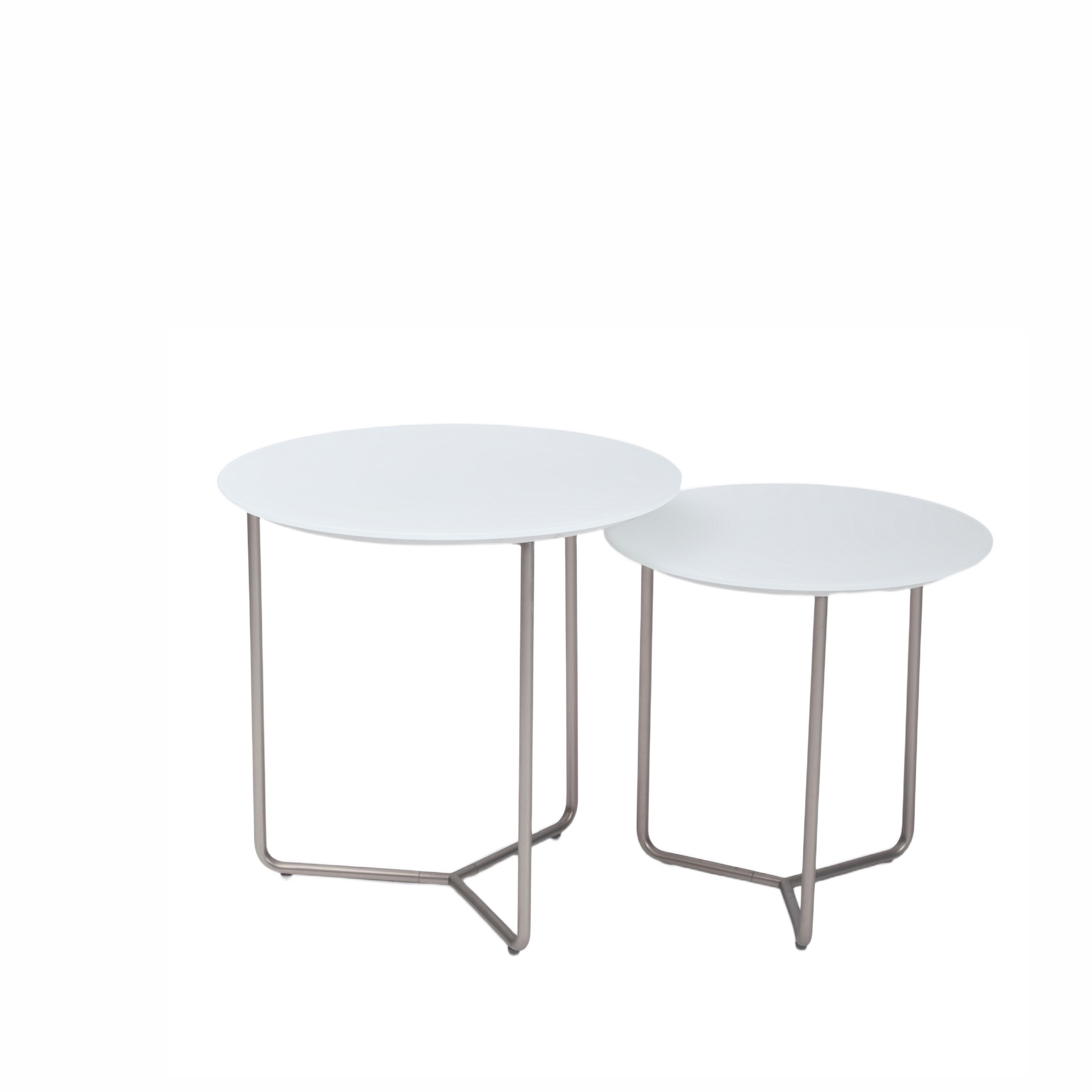
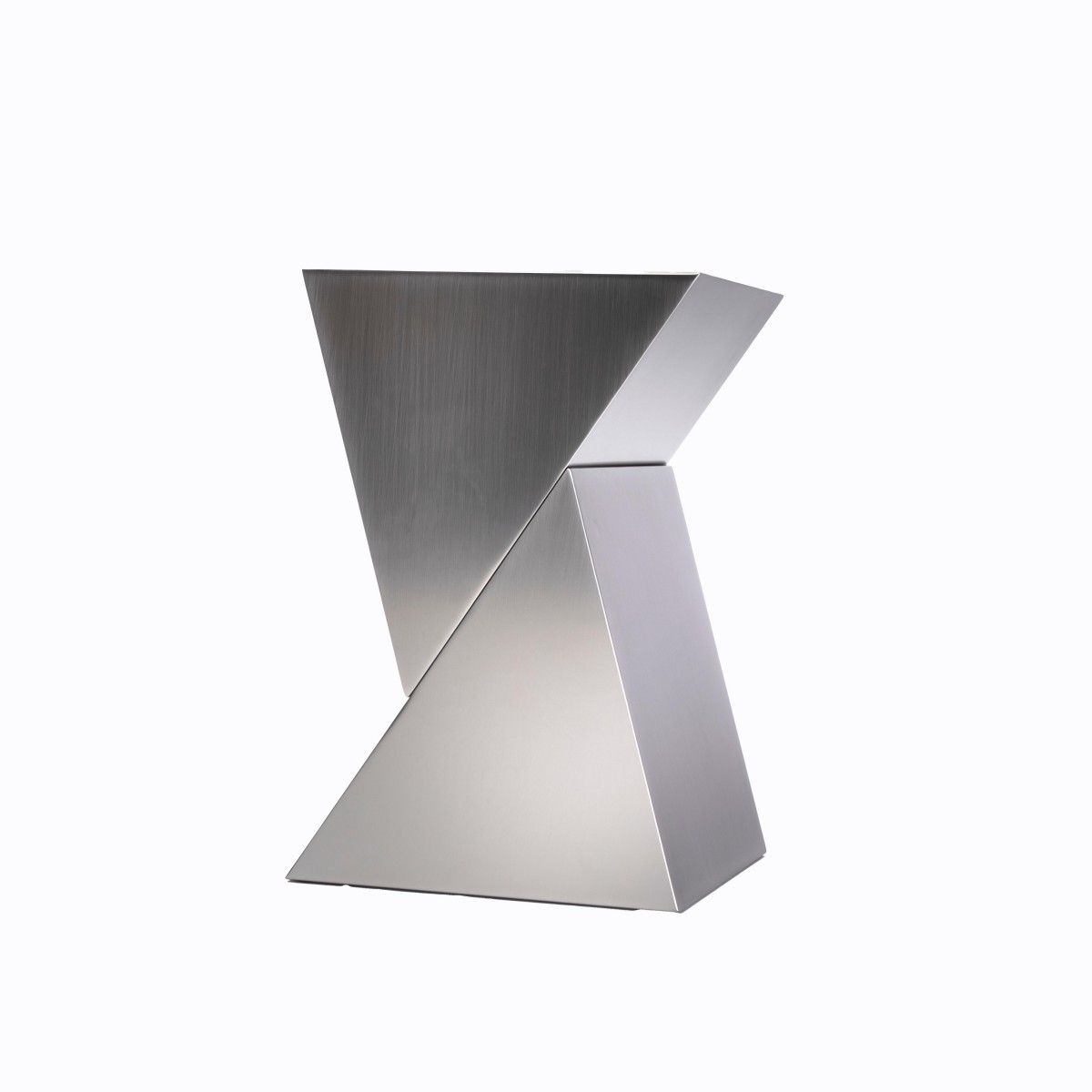
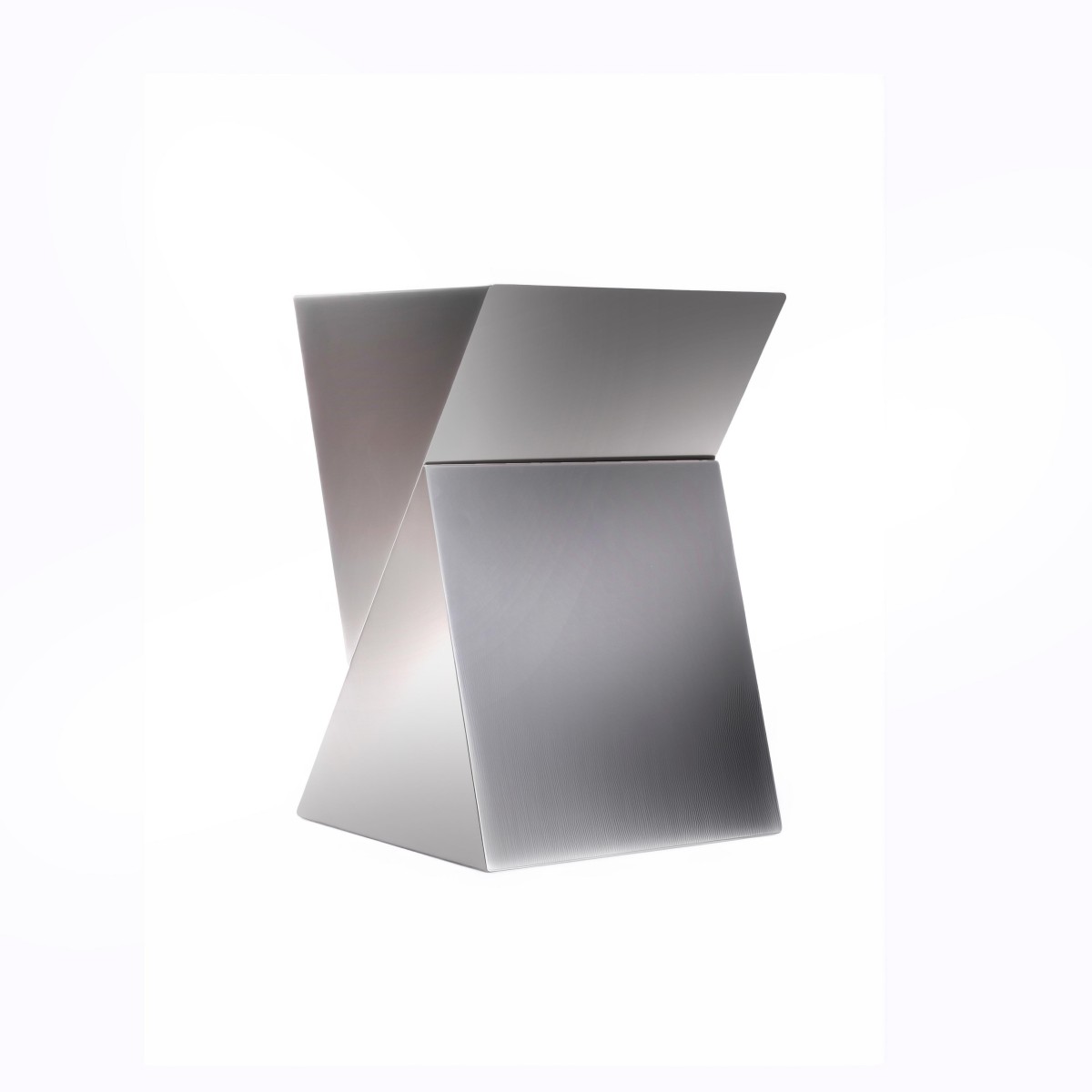
Steel is commonly selected for its strength and broad range of finishes. Stainless steel can be suitable for settings where corrosion resistance and easy cleaning are priorities, though the grade and finish still matter. Aluminum is lighter and easier to move, which can be useful for flexible seating or outdoor layouts. Ask the seller to identify the metal, construction method, and intended use rather than relying on appearance alone.
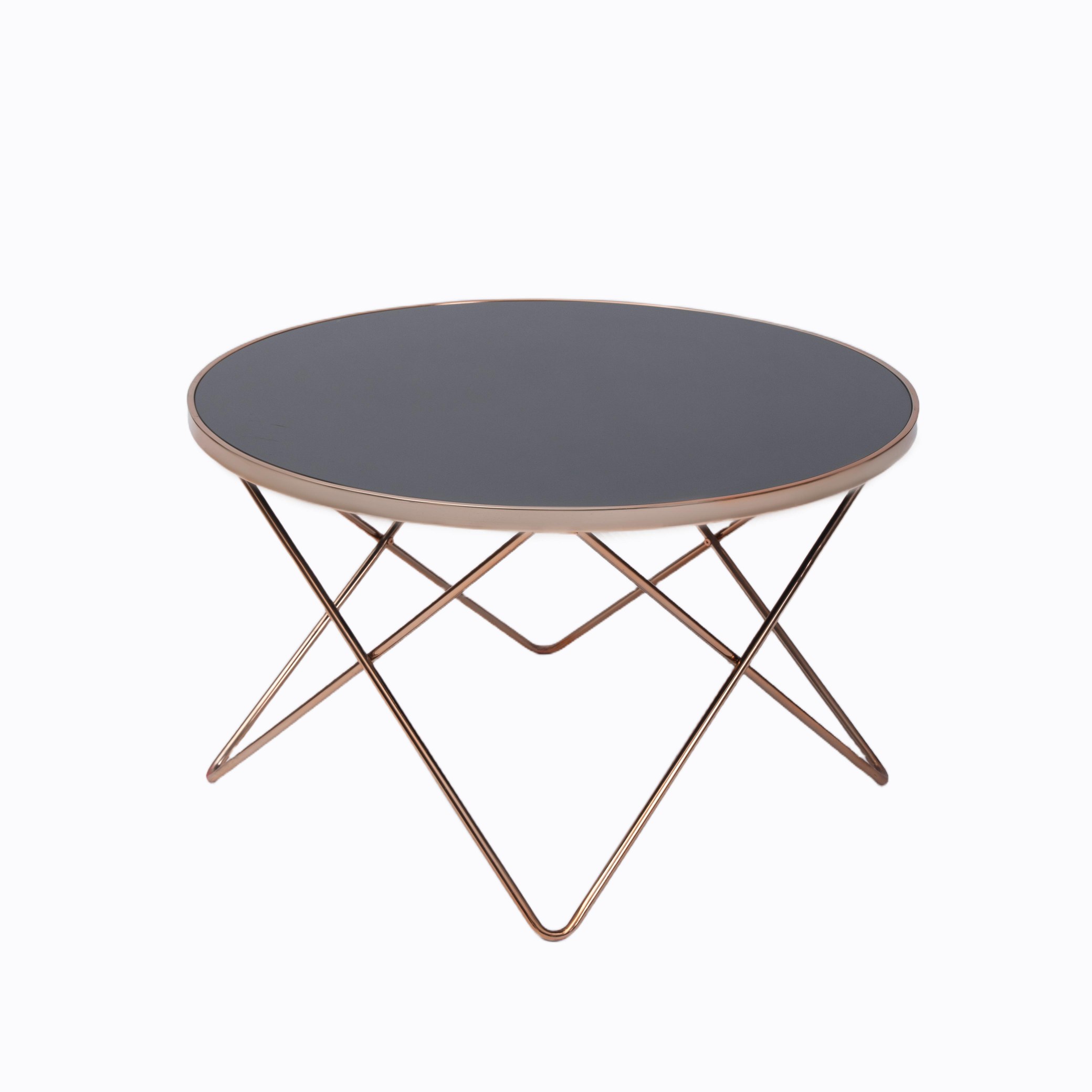
Powder-coated finishes offer a wide choice of colors and can help protect the underlying metal when properly applied. Brushed or polished metal creates a different look and may show fingerprints or scratches differently. For outdoor use, confirm that the table is designed for exterior conditions and ask about corrosion protection, drainage, UV exposure, and recommended care. A finish that looks appropriate in a showroom may need more frequent cleaning in a high-use restaurant.
Inspect the frame, joints, welds, fasteners, tabletop support, feet, and underside. A sturdy appearance does not guarantee a stable table, especially on uneven floors. Ask whether feet are adjustable, how the tabletop attaches to the base, and whether replacement parts or touch-up products are available.
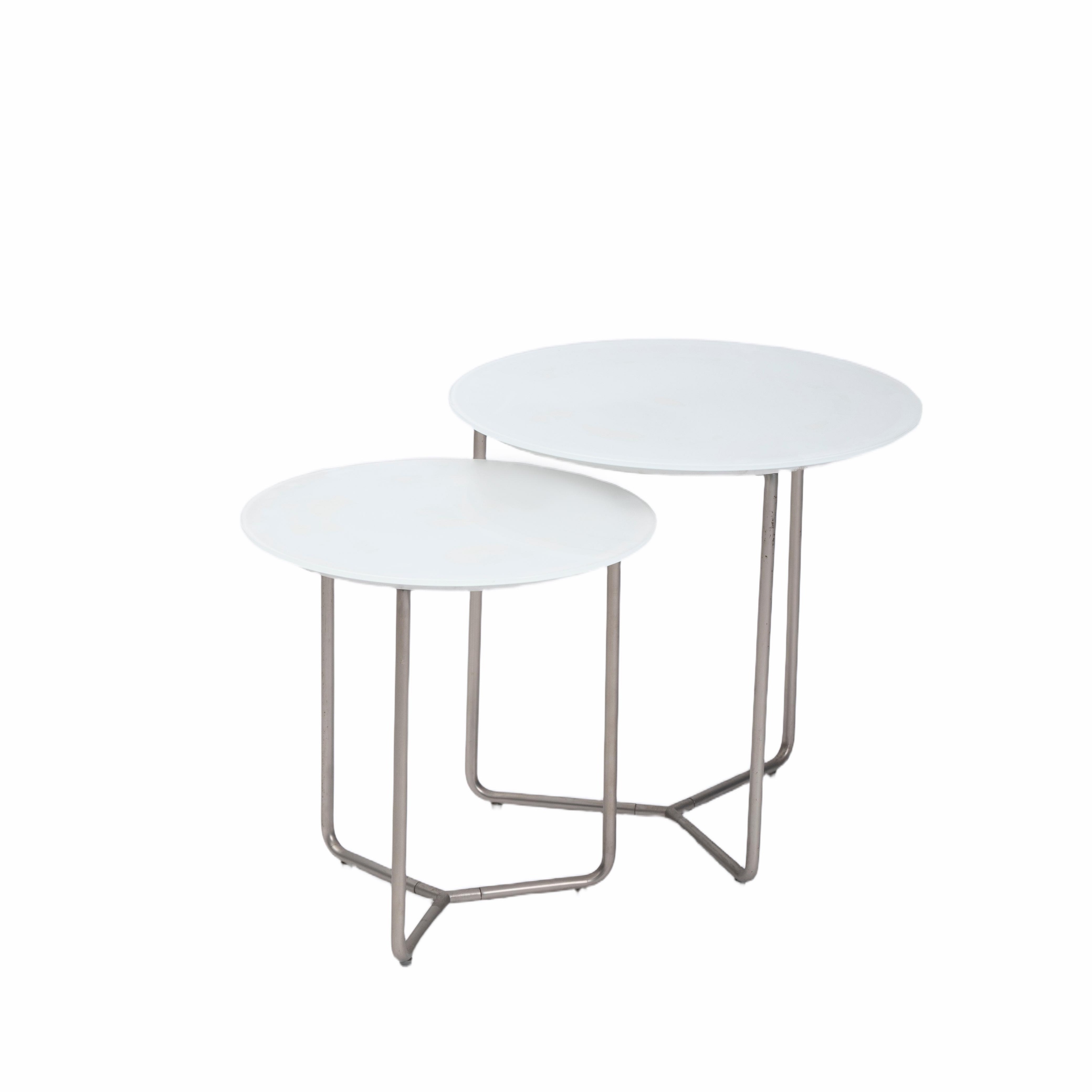
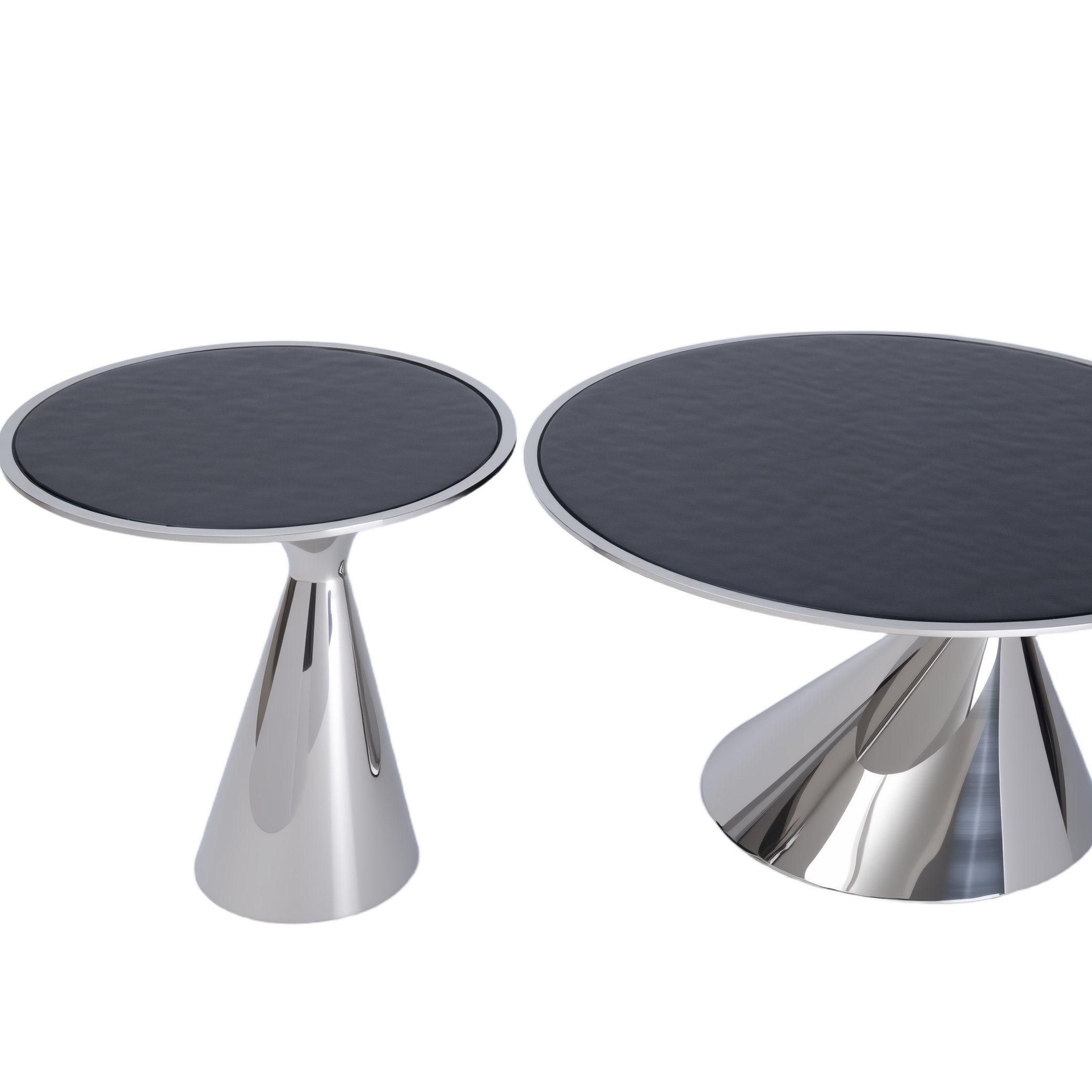
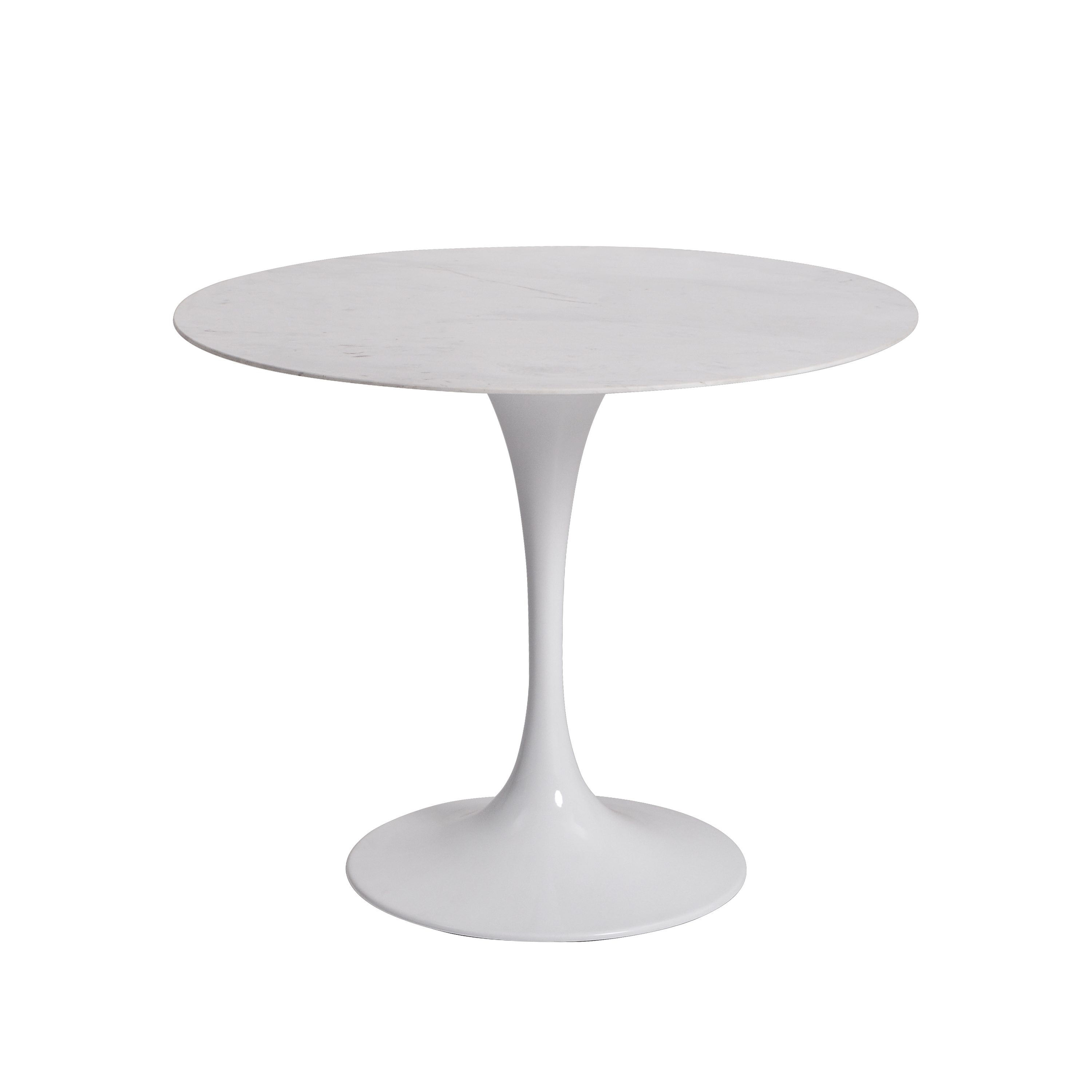
Rectangular tables work well in long rooms and can seat larger groups along their sides. Round tables support conversation and can fit compact layouts, but check the diameter needed for the intended number of diners. Square tables suit balanced room layouts and smaller groups. Oval tables can soften a long layout while offering a generous dining surface. The best shape is the one that fits the room while leaving clear paths around it.
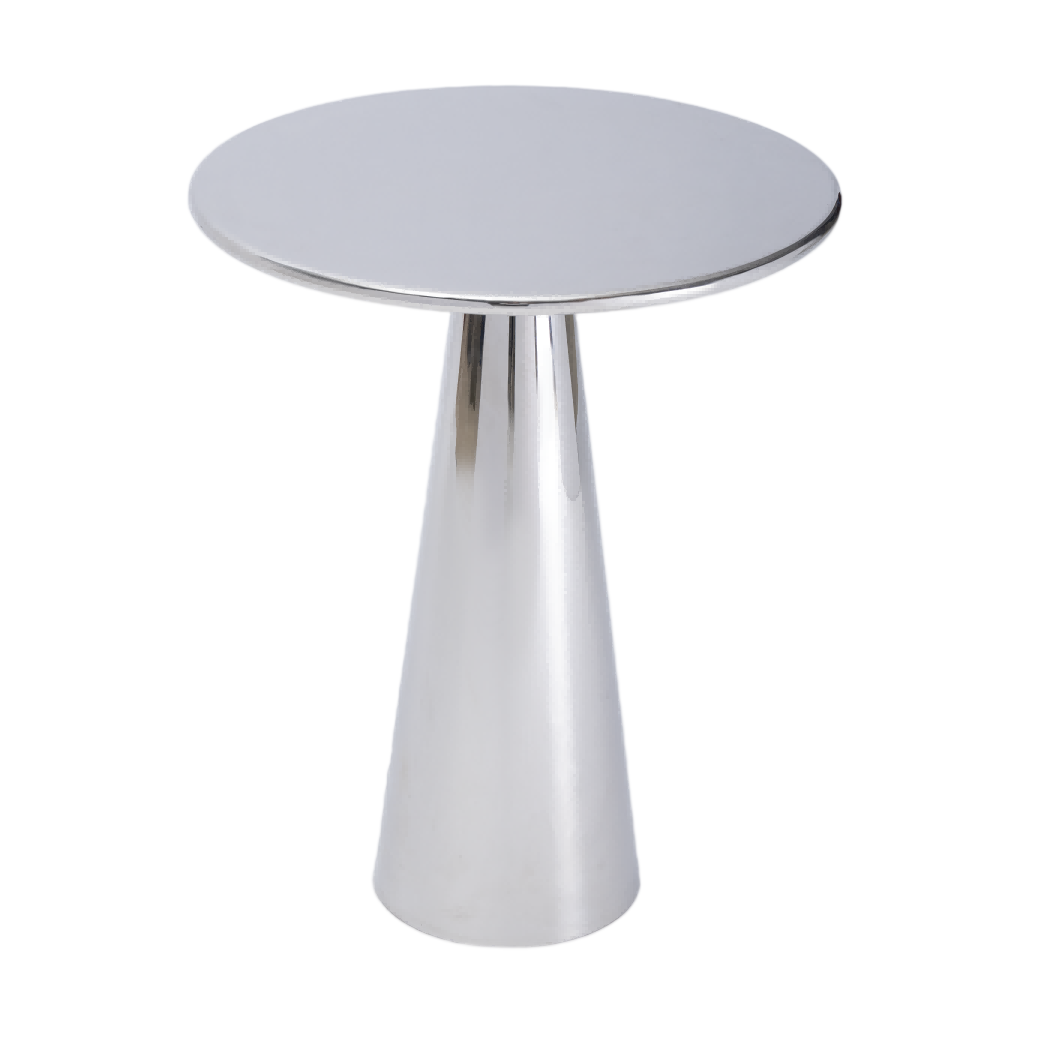
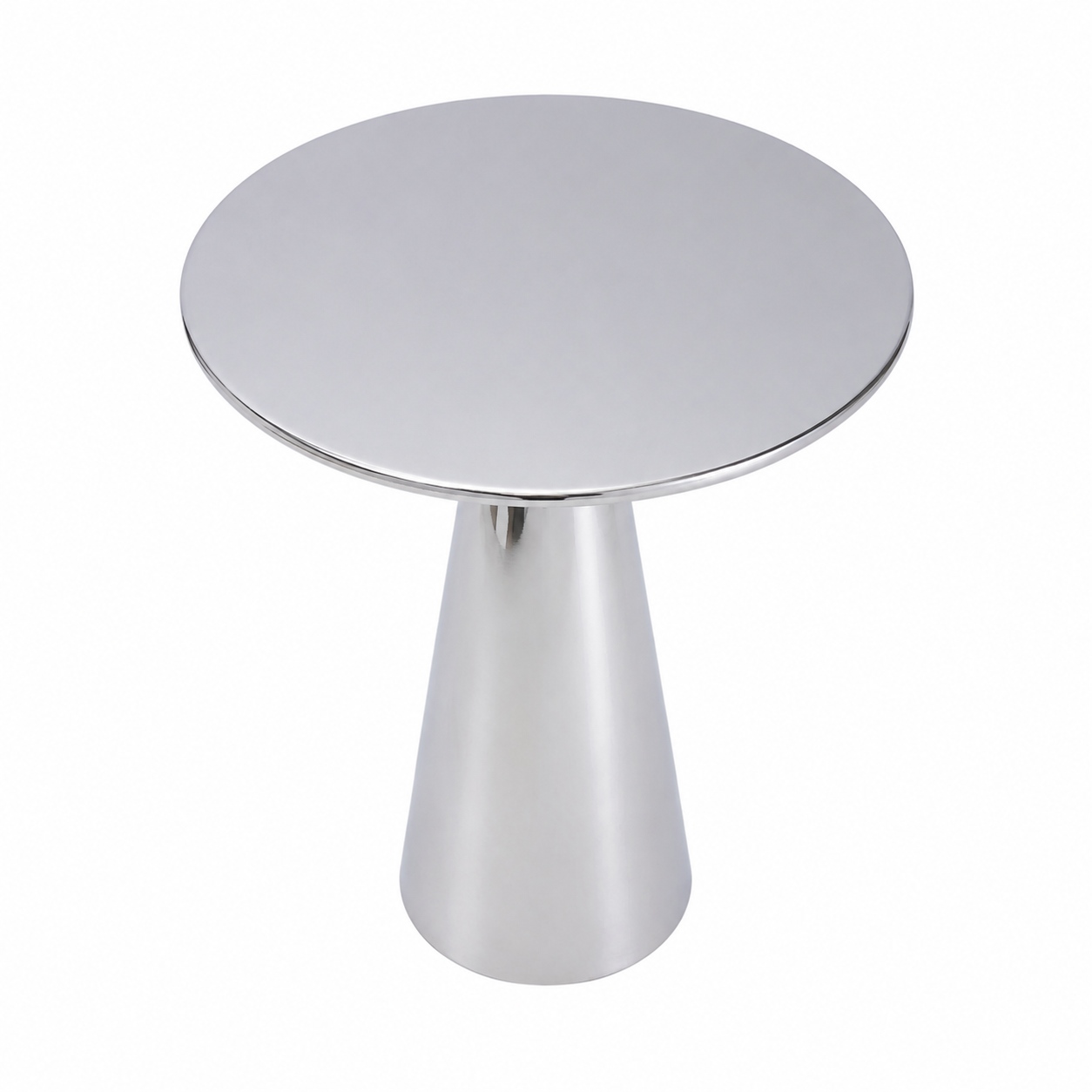
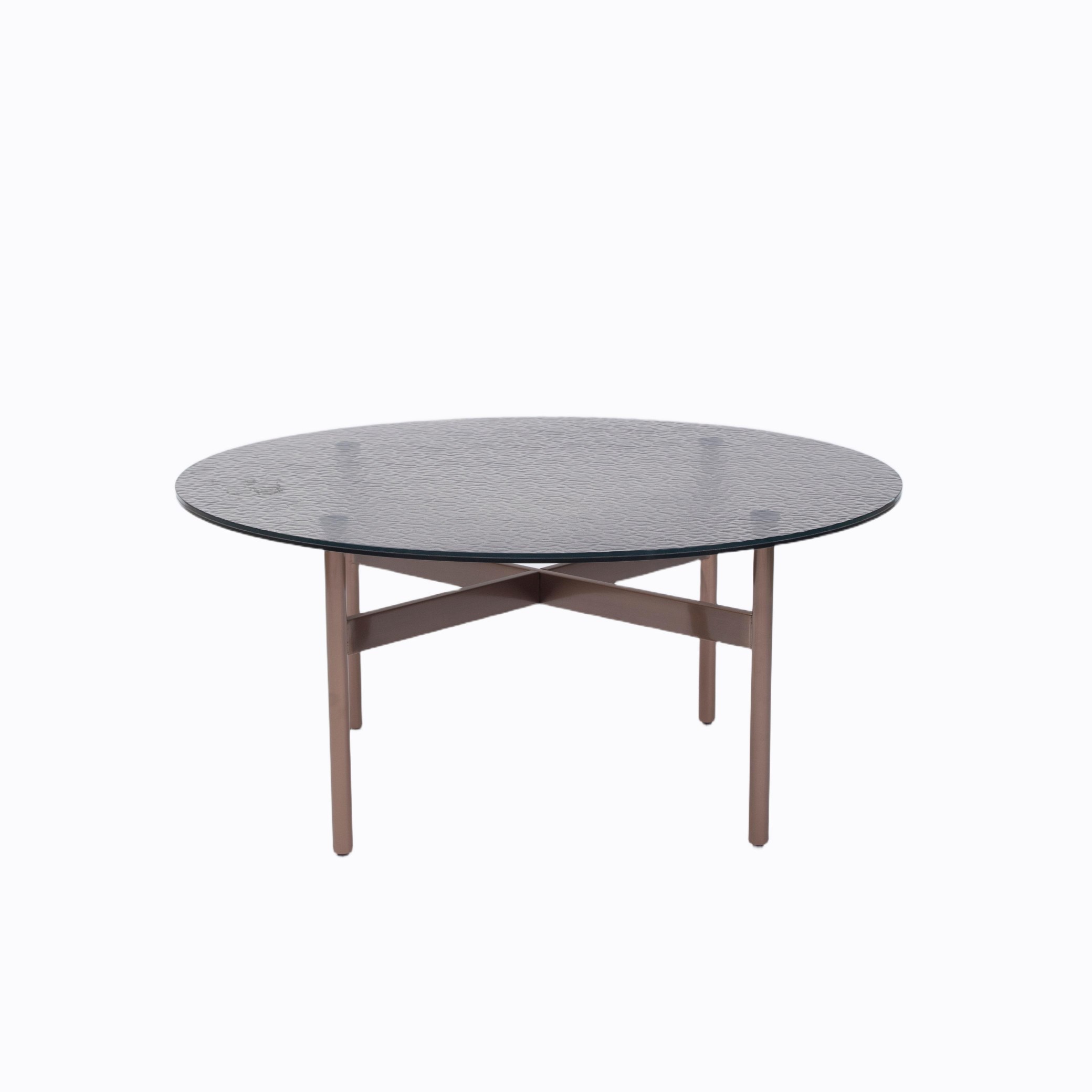
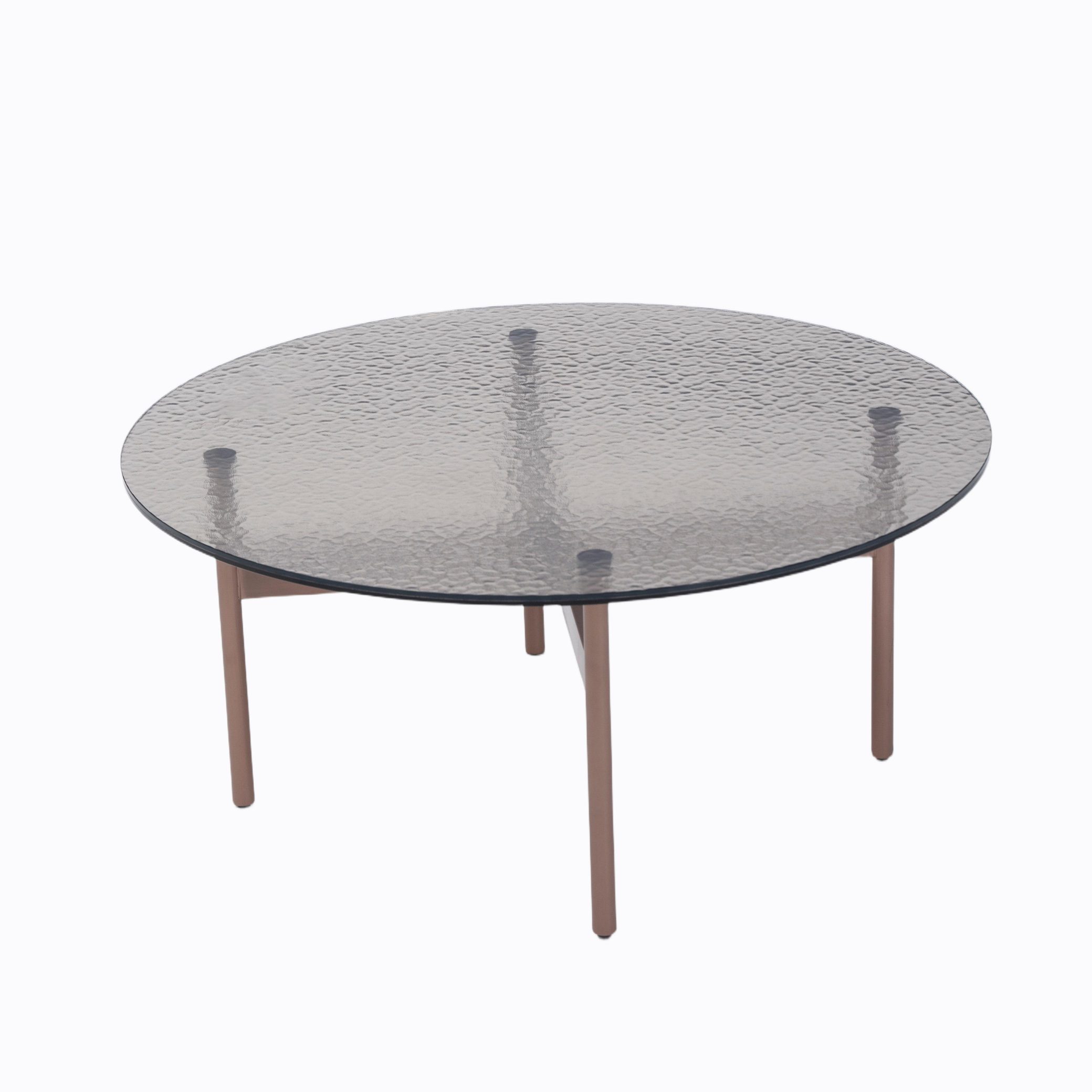
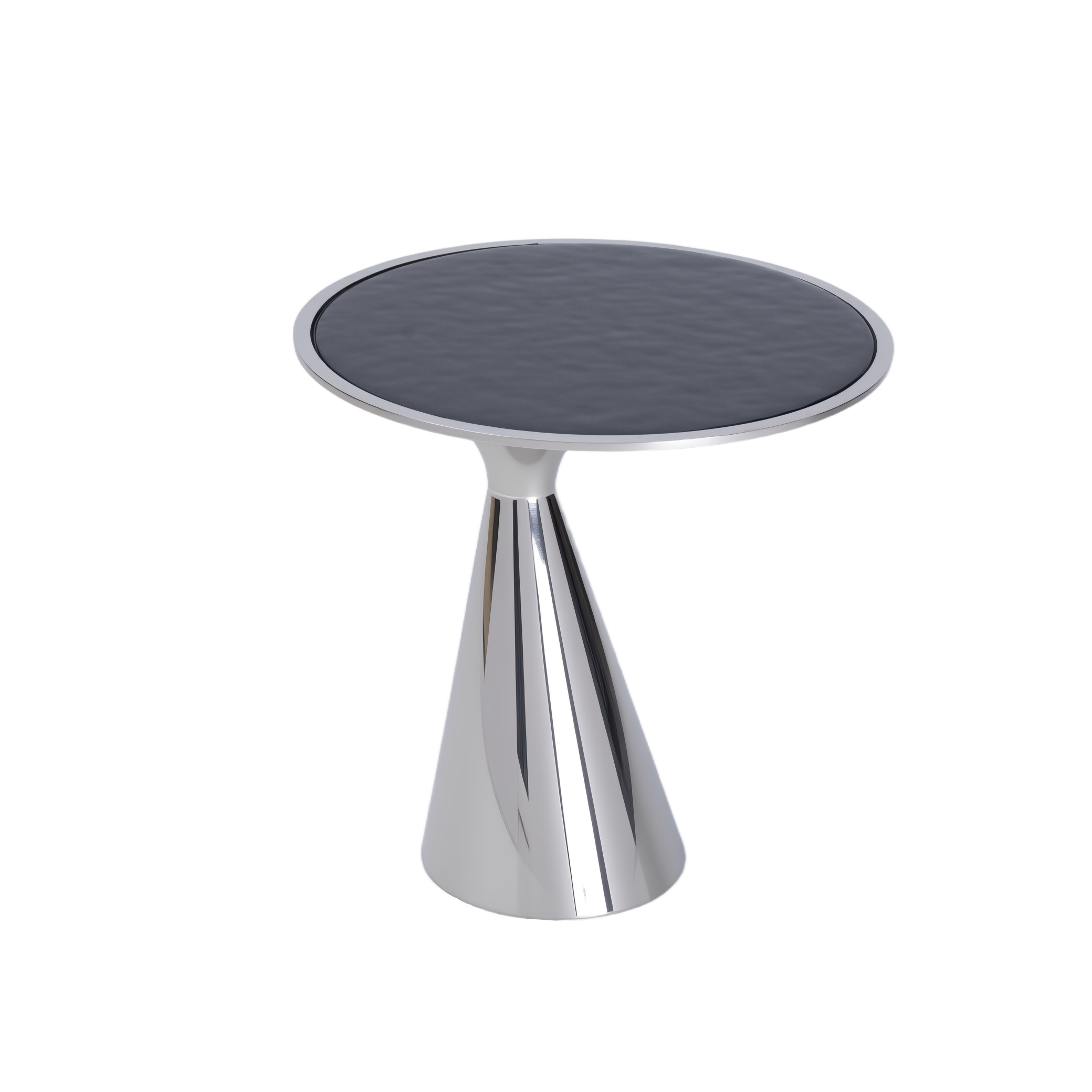
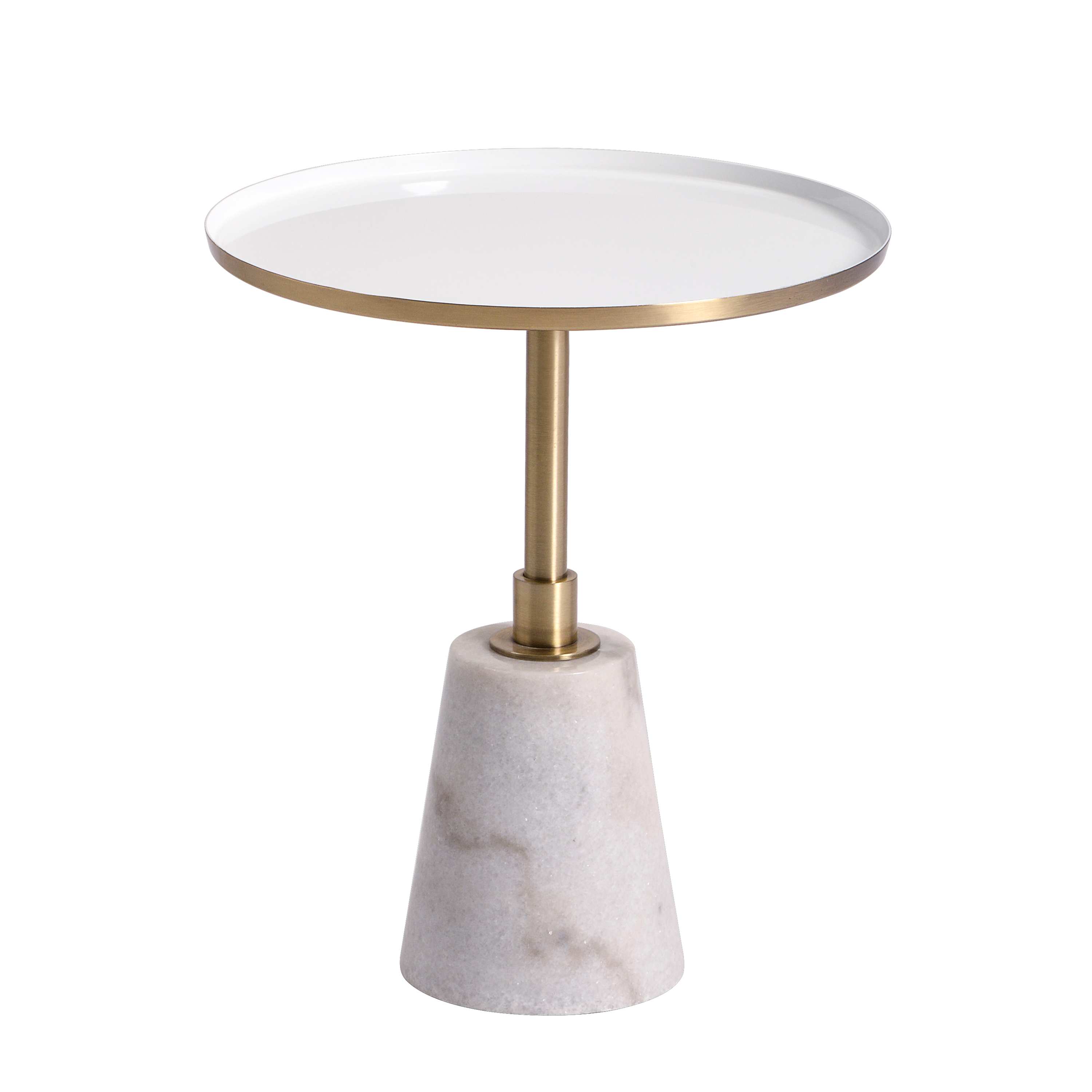
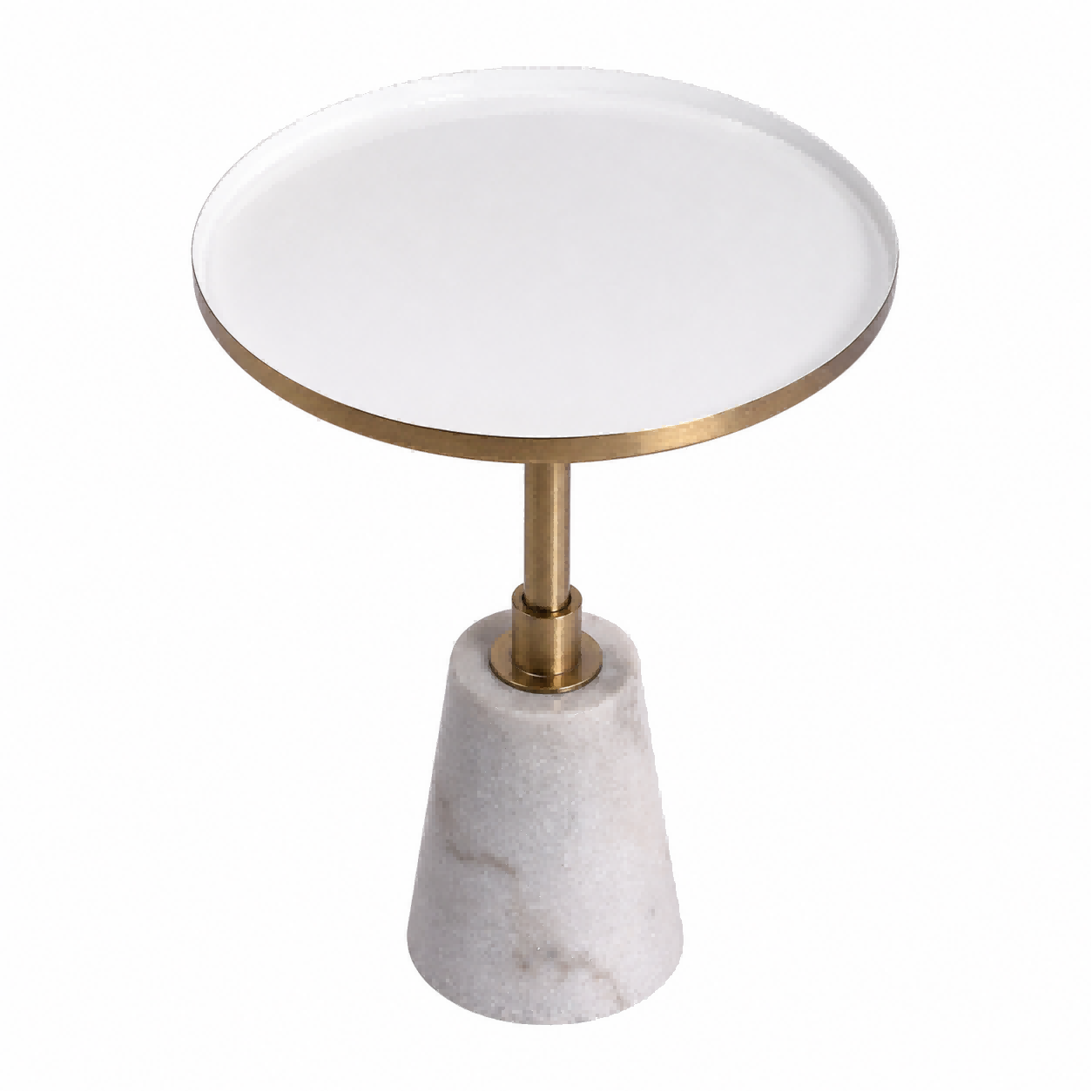
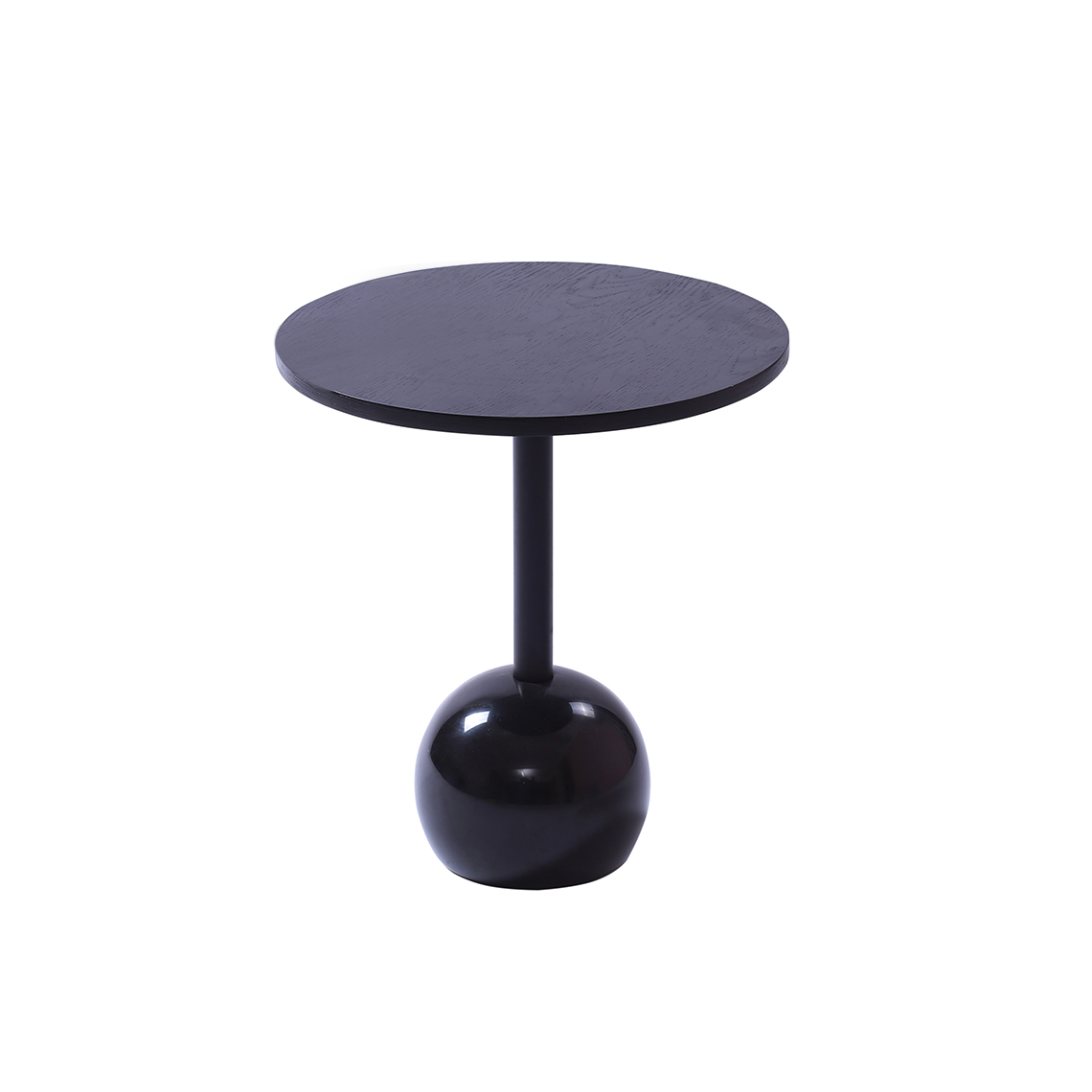
Table legs can limit where chairs fit, particularly at the corners and ends. A pedestal base may provide more legroom around a round or compact table, while a four-leg base may offer a familiar, stable structure. Crossbars and low support rails can interfere with feet or chair arms. Before ordering, compare the base drawing with the chair dimensions and the positions of the diners.
Compare the table height with the seat height of the chairs. Check the distance between the floor and the underside of the apron or tabletop, not just the overall table height. This clearance determines whether diners can sit comfortably and whether chair arms can slide under the table.
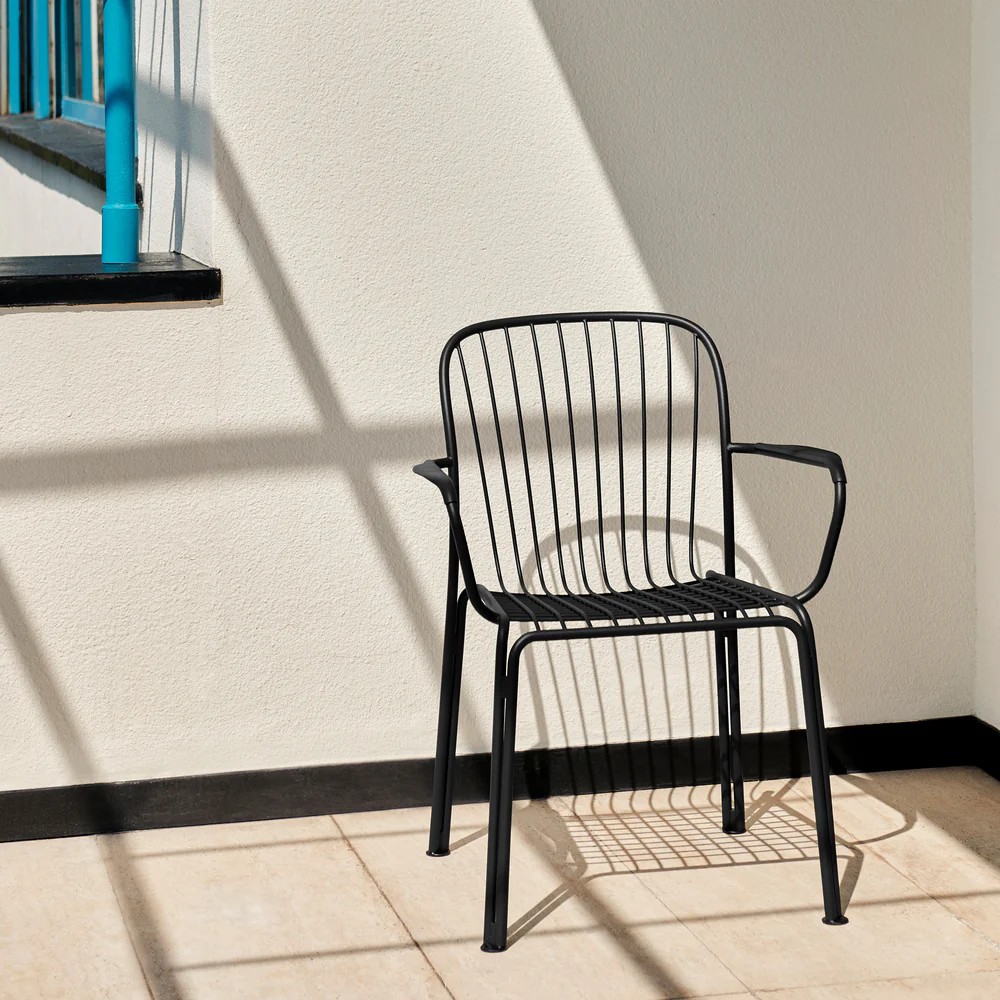
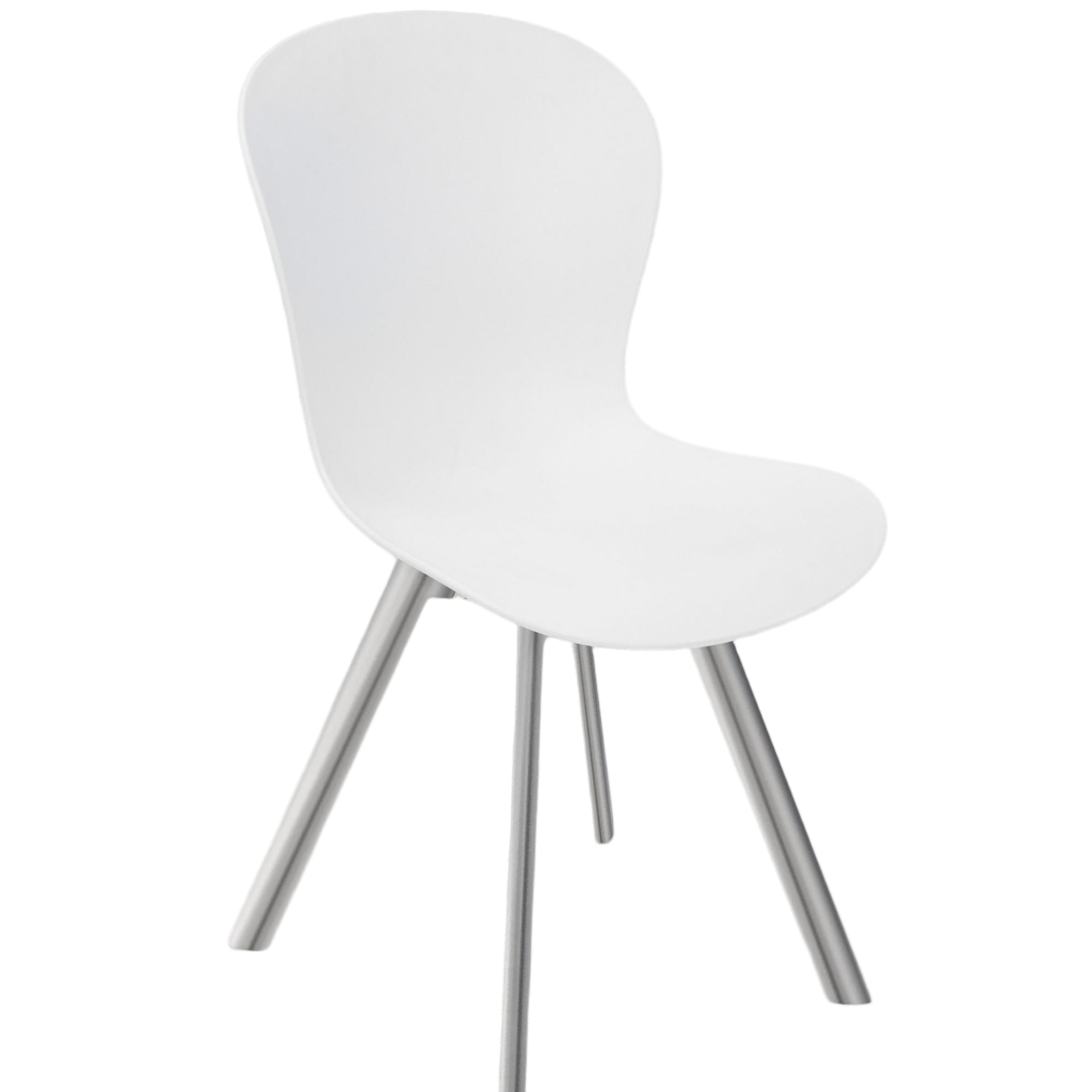
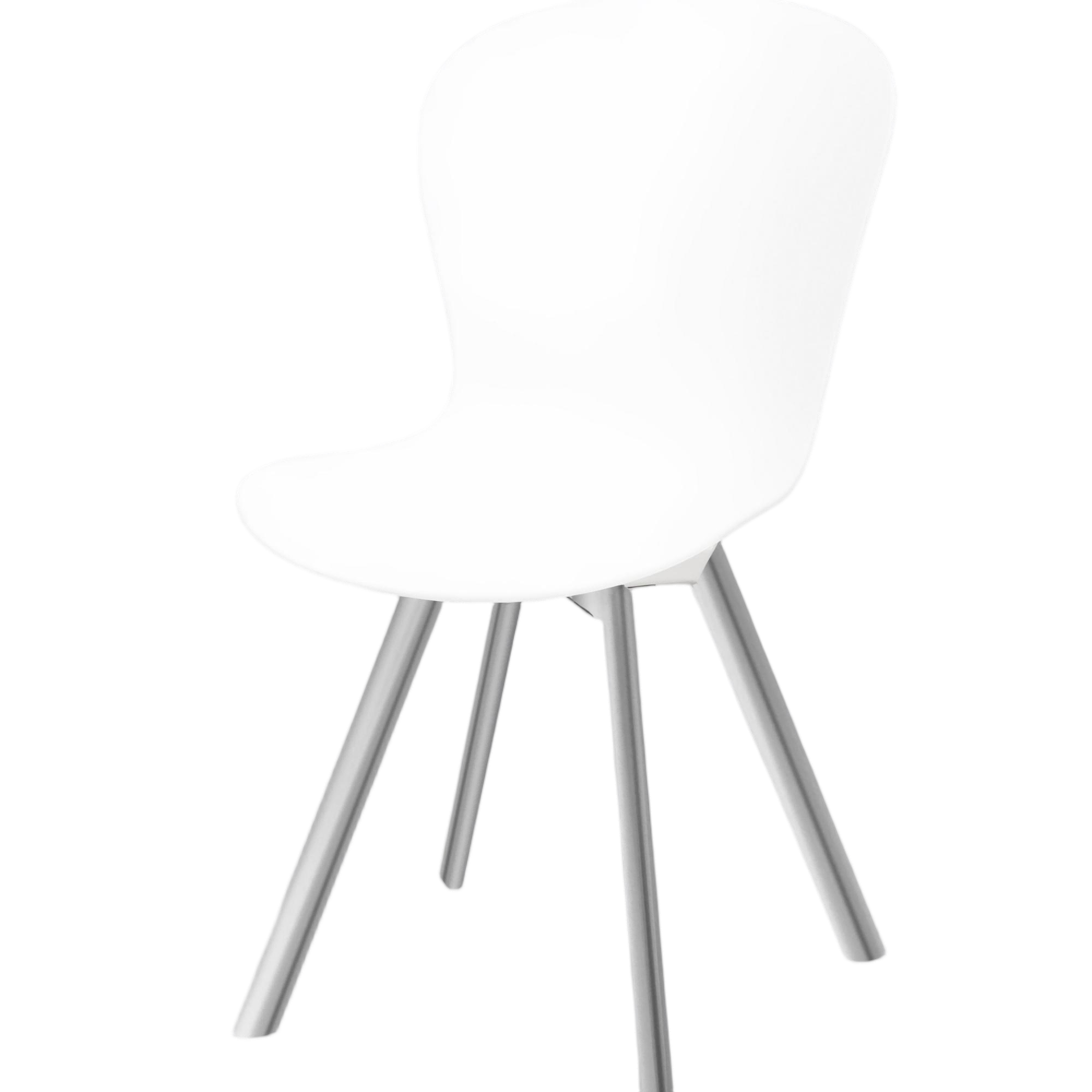
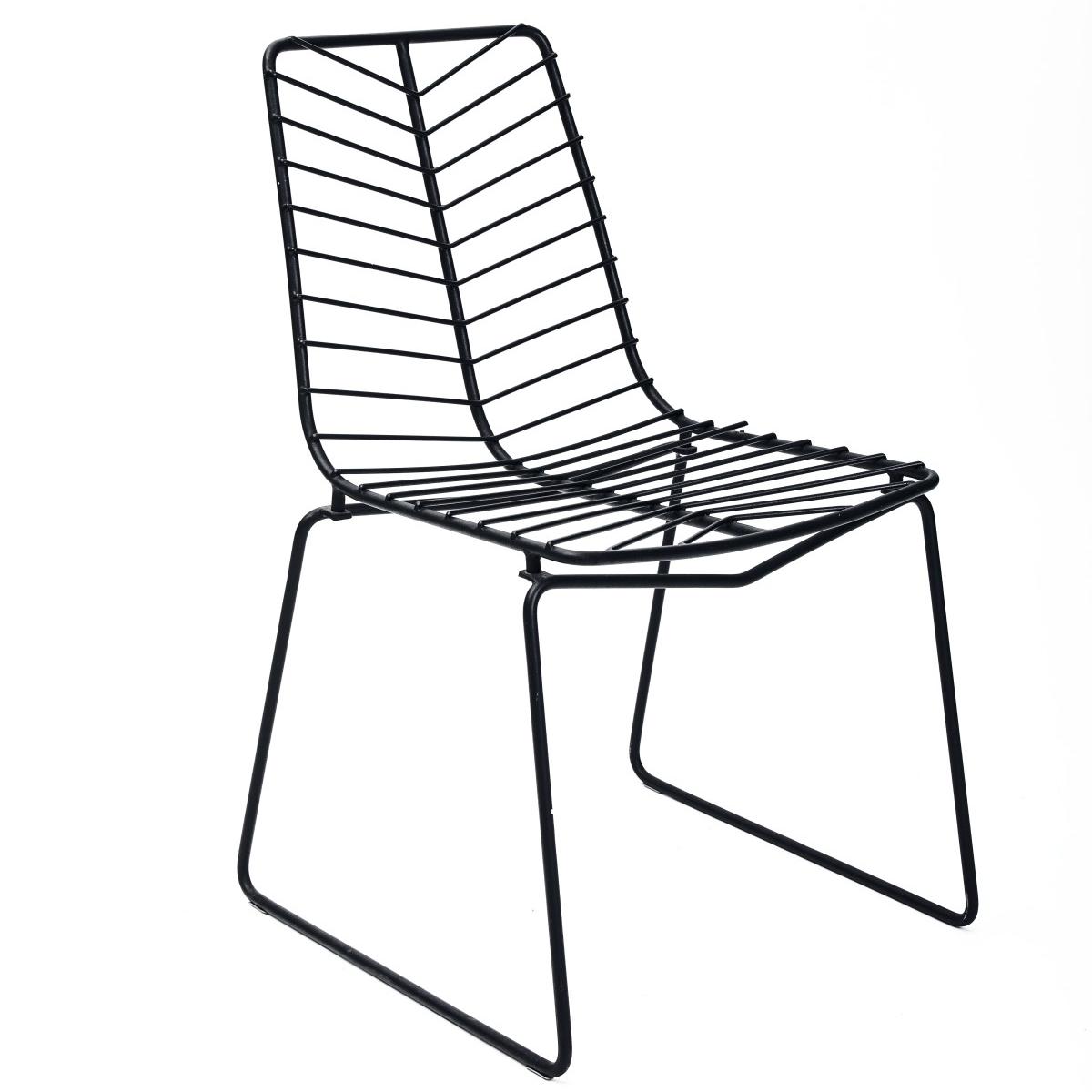
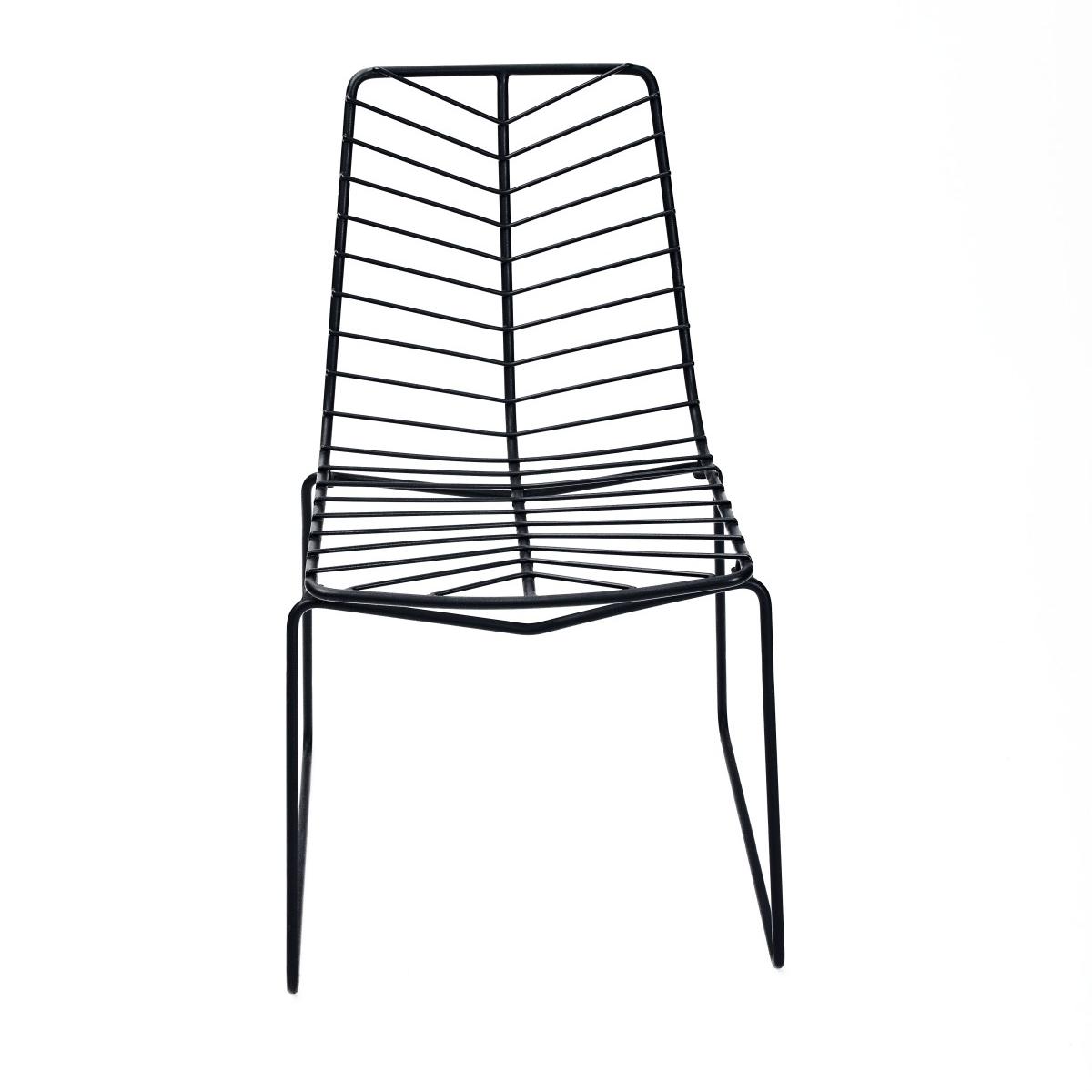
Review each chair's overall width, seat width, seat height, depth, and arm height. Compare those measurements with the table's height and underside clearance. If chairs have arms, confirm they fit beneath the table or can be positioned comfortably at the ends. Account for the chair's widest point, which may be the back or arms rather than the seat.
Consider seat shape, back support, cushioning, and posture. A chair designed for occasional use may not be comfortable for long dinners or extended restaurant service. If possible, test a sample chair at the selected table height. For online purchases, request clear dimensions, material details, and return terms before committing to a full set.
Chairs can match a metal table through a shared color, material, shape, or design detail. For example, a dark metal frame can coordinate with a similarly toned chair frame, while wood or upholstered seats can introduce warmth and contrast. Keep one or two visual elements consistent so the set feels intentional, and check physical samples under the room's actual lighting when color accuracy matters.
Use the chair's full width to calculate how many fit along each side. Leave enough elbow room for diners, and do not place a chair where a table leg blocks it. For a mixed set, make sure differences in seat height and support will not make some places noticeably less comfortable than others.
Compare like-for-like specifications rather than judging products by photographs or price alone. Request the table and chair dimensions, material descriptions, finish details, weight limits where provided, assembly requirements, warranty coverage, and care instructions. For business orders, ask about replacement components, repeat-order consistency, packaging, and lead times.
Include more than the listed unit price. Check freight, taxes, assembly, samples, delivery restrictions, installation, and any costs for protective covers or floor glides. For commercial projects, also consider cleaning time, expected use, replacement needs, and whether the supplier can provide the quantities and delivery schedule required.
Follow the manufacturer's cleaning instructions for the specific metal and finish. Use suitable cleaning products, wipe spills promptly, and avoid abrasive tools unless the care guidance specifically permits them. For outdoor furniture, inspect the finish periodically and store or cover pieces as recommended. Add floor protectors where needed to reduce noise and prevent floor damage.
A coordinated photograph does not confirm that chairs fit under the table or that the finish suits the room. Verify dimensions, materials, construction, and care needs before making a decision.
A table can fit in a dining room but still block a doorway or fail to pass through a corridor. Measure the complete delivery route and allow space for people to sit, stand, and walk around the set.
Metal products vary in material, coating, and intended use. Confirm outdoor suitability with the manufacturer, and follow the specified cleaning and storage instructions instead of assuming that a metal frame is weatherproof.
Counting chairs without accounting for chair width, table legs, and elbow room can create a crowded set. Plan the everyday seating arrangement first, then decide whether occasional extra seating is practical.
Colors can look different under showroom, screen, and home lighting. When the finish is important, request a sample or view the product in person. Confirm the final specifications, delivery arrangements, warranty, and return terms in writing, especially for bulk or commercial orders.
Before ordering, confirm that the table fits the room, the chairs fit the table, and the complete set supports the way people will use it. Check stability, finish suitability, comfort, cleaning needs, delivery access, and total cost. A careful comparison helps buyers avoid cramped seating, difficult maintenance, and unexpected order issues.
With measured planning and verified specifications, buyers can choose a metal dining set that balances appearance and everyday performance. Notable is a Metal Dining Tables Manufacturer that can help buyers compare options and plan a suitable table and chair combination.