Blog


+86 187 1949 7792 / +86 153 6091 1768
Nov. 03, 2026
To choose the right metal TV stand without wasting time or money, follow five clear steps: measure the room, match the stand to your TV and equipment, select the right storage and finish, verify stability and quality, and confirm delivery details. In this Notable guide, I’ll show you how to apply each step for homes, offices, hospitality projects, and retail orders.

The most common buying mistake is selecting a stand based on appearance alone. A unit that looks compact online can obstruct a walkway, crowd a media wall, or leave no room for cables. Before comparing models, record the available footprint and how people move through the space.
As a planning starting point, leave about 2–4 inches (5–10 cm) behind the unit for plugs and cable bends, then verify the actual clearance required by your equipment. For a TV stand in a narrow apartment, depth may matter more than width. In an open-plan living room, a wider console can help define the media zone without blocking sightlines.
When considering How to Choose a Metal TV Stand for Different Spaces, check the television’s actual dimensions and support method—not just its advertised diagonal size. TV bases vary, and a screen may use a central pedestal, two feet, or a VESA-compatible mount.
For example, a family room may need a broad top and shelves for a game console and soundbar. A hotel room may prioritize a compact footprint, concealed cable routing, and easy cleaning. These requirements should be written into the product specification before requesting a quote from a TV Stand Manufacturer.
The best configuration depends on what the stand must store, how often users access the equipment, and whether the unit needs to move. This is where How to Choose a Metal TV Stand for Different Spaces becomes a practical layout decision rather than a style choice.
| Space | Useful features | Check before ordering |
|---|---|---|
| Small apartment or bedroom | Shallow frame, open lower shelf, compact footprint | Door clearance, outlet position, and ventilation |
| Family living room | Wide top, multiple shelves, cable management | Combined equipment load and child-accessible hazards |
| Office or meeting room | Lockable storage, tidy cable routing, durable finish | Device access, floor protection, and serviceability |
| Hotel or hospitality project | Easy-clean surfaces, robust joints, repeatable dimensions | Installation time, replacement parts, and batch consistency |
| Retail display or showroom | Stable base, accessible wiring, coordinated finish | Display load, traffic flow, and merchandising requirements |
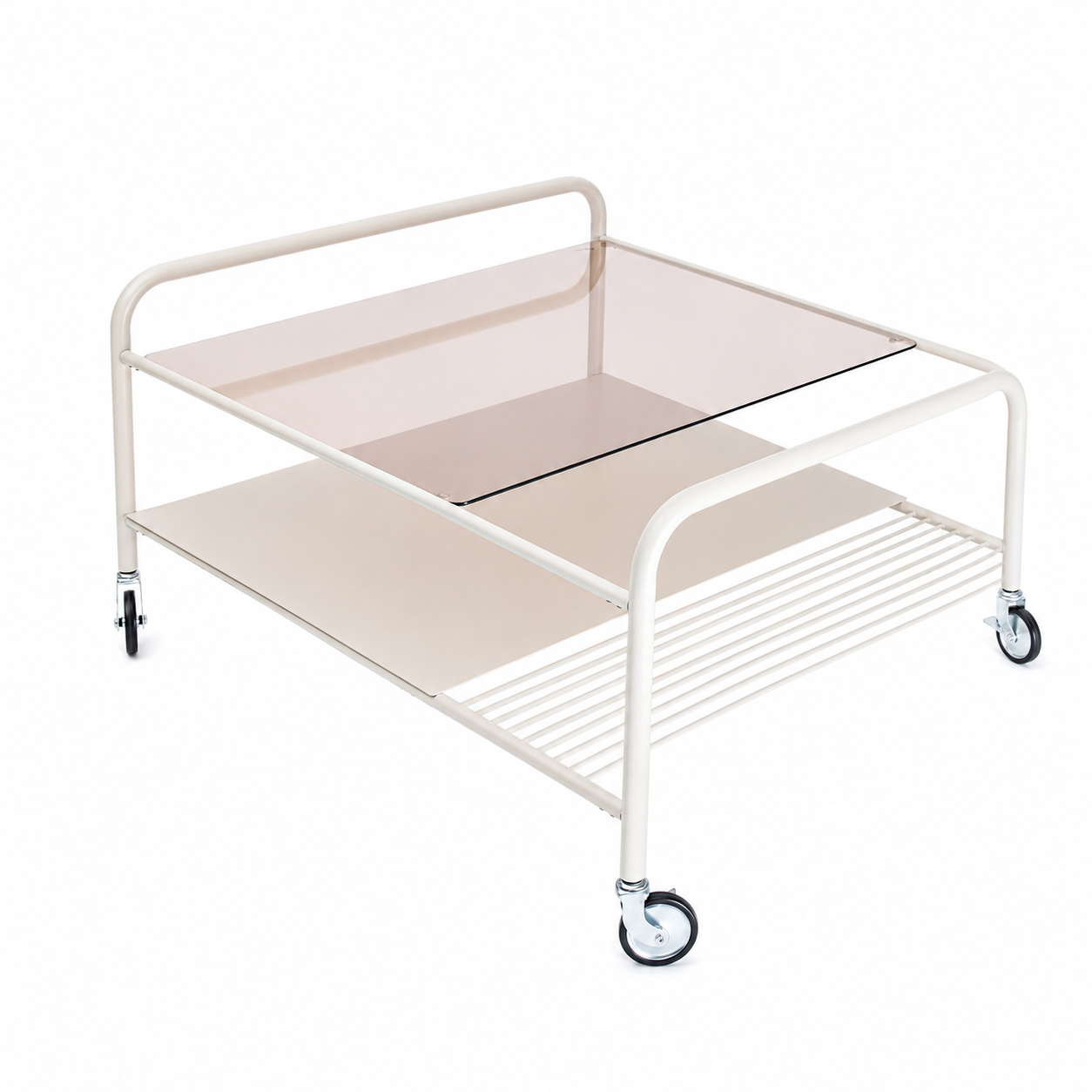
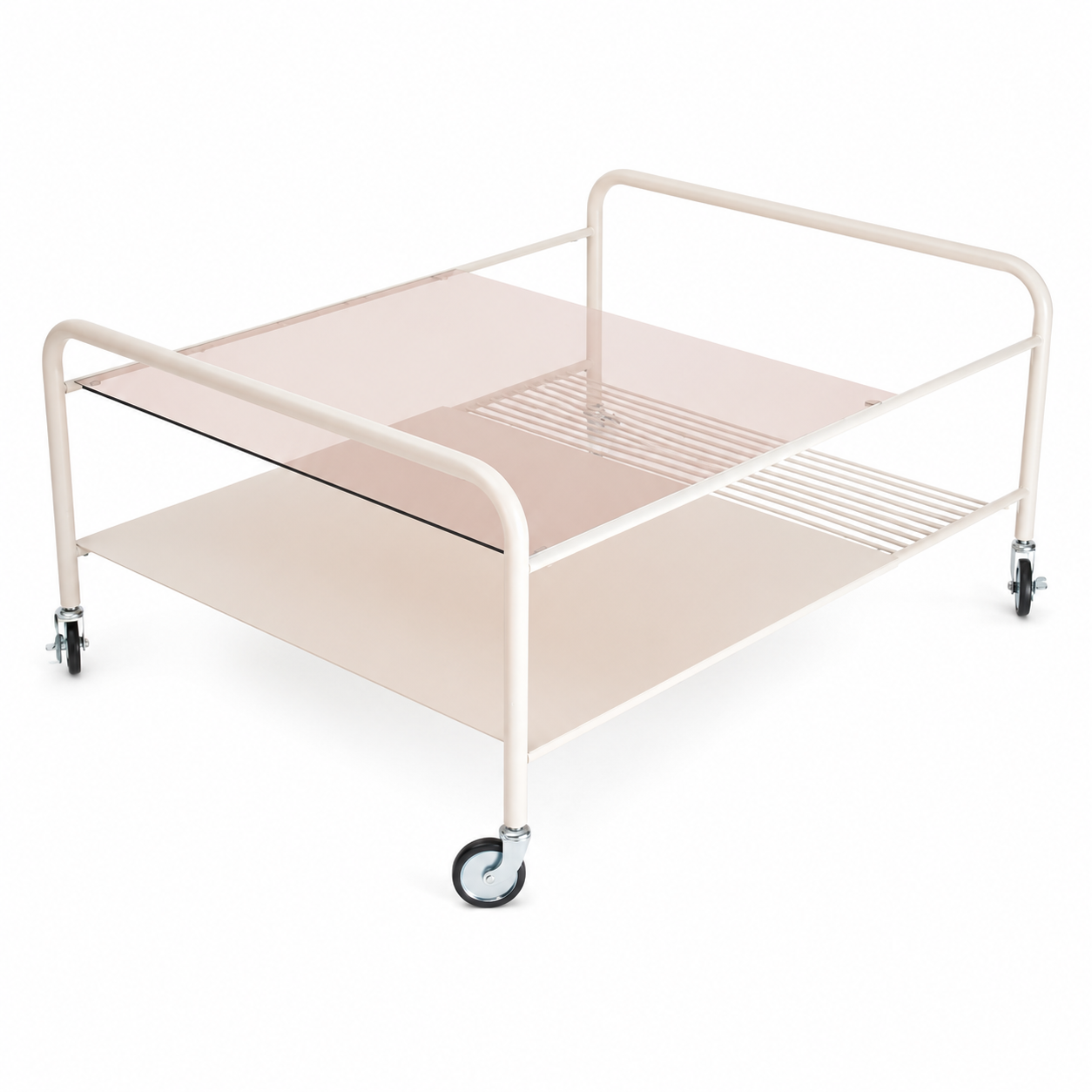
Open shelves improve access and airflow around receivers and game consoles. Cabinets conceal visual clutter but need openings for ventilation and cable passage. If you select casters, check their load rating, locking mechanism, and suitability for the floor surface. For permanent installations, adjustable feet can help level a frame on slightly uneven flooring.
Metal furniture can suit contemporary, industrial, and commercial interiors, but the material name alone does not establish durability. Ask what the frame is made from, how the joints are constructed, and what finish protects the surface. A powder-coated finish is commonly selected for an even appearance and everyday surface protection; confirm the specified coating and care instructions for the intended environment.
For household or commercial projects, ask the supplier to identify the safety and performance requirements applicable to the product and destination market. Standards such as DIN EN 14749 may be relevant to certain storage furniture within their defined scope; applicability depends on product classification and configuration. Request the exact standard edition, test report, and covered model rather than relying on a general claim of “ASTM” or “DIN” compliance. Stability, static-load, and durability checks should be documented using a method appropriate to the stand’s intended use.
For a single home purchase, careful measurement may be enough. For a business, reseller, hotel, or project buyer, dimensional consistency and repeatable finish quality affect installation labor, returns, and customer satisfaction. A Notable product inquiry should include the intended room, TV model, equipment list, order quantity, destination market, and required delivery date.
These checks help a TV Stand Manufacturer reduce preventable problems such as misfit equipment, inconsistent finishes, transit damage, and on-site assembly delays. A 24-hour response can be set as a procurement service target in the inquiry, but confirm the supplier’s actual response commitment instead of assuming it is guaranteed.
Even a well-designed stand can create issues if it arrives with unclear instructions or unsuitable packaging. Before placing an order, confirm whether the product ships assembled or flat-packed, what tools are required, and how replacement parts are handled. For commercial installations, check carton dimensions, pallet requirements, delivery access, and the time needed to assemble each unit.
If a stand rocks after assembly, recheck the floor, fastener sequence, and leveling feet before loading equipment. If a shelf bends or a joint looks damaged, remove the load and contact the supplier rather than attempting an unapproved repair.
How to Choose a Metal TV Stand for Different Spaces comes down to a repeatable process: measure the room, confirm the TV and equipment fit, select storage and mobility features, verify construction and applicable test evidence, then finalize delivery and inspection requirements. When I compare options from Notable or another TV Stand Manufacturer, I use the same checklist for every model so that the chosen stand fits the space and performs as expected.
For your next step, write down the available width, depth, TV footprint, combined equipment load, finish preference, and quantity. Share those details with Notable when requesting product information or a quote. This simple preparation makes comparison faster, reduces specification gaps, and helps you choose a metal TV stand that works in the real space—not just in a catalog image.